2025 General Rate Increase Guide: Key Changes from FedEx and UPS and How to Manage
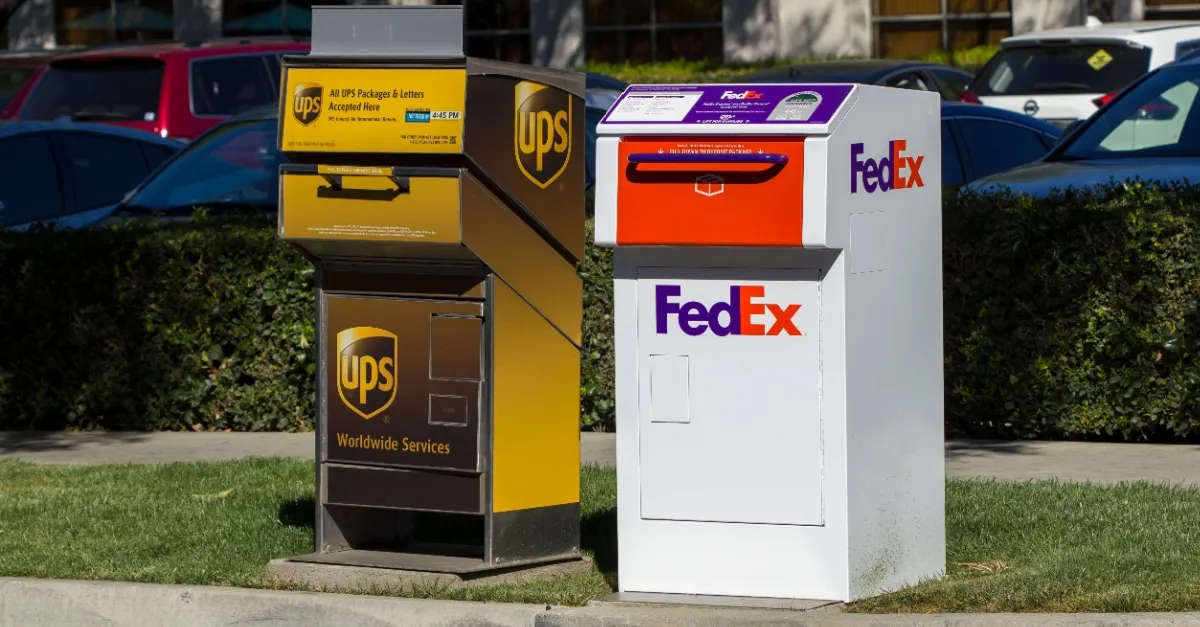

GRI season has become a familiar part of parcel shipping.
Every year, FedEx and UPS announce their rate increases. This leads to the shippers’ annual question of:
“What is this actually going to cost us?”
In 2025, carriers announced a 5.9% General Rate Increase. The real impact depends on how you ship. Package dimensions. Delivery zones. Service levels. Residential deliveries. Surcharges. That's where the numbers start to move. Two companies can see the same rate increase announcement and experience very different outcomes.
Let's break down the key changes in the 2025 GRI and what shippers should be paying attention to before those costs start showing up on the invoice.
2025 GRI Changes for UPS
Annual rate increases have become a familiar part of parcel shipping. But for 2025, UPS is shaking things up in a few areas that could have a bigger impact than the headline number suggests.
The carrier has announced a 5.9% General Rate Increase effective December 23, 2024, covering ground, air, and international services.
Most shippers have been through rate increases before. What tends to create challenges isn't the increase itself. It's everything that comes with it.
A surcharge change. A ZIP code gets reclassified. A package moves into a different zone than it did last year. That's usually where costs start shifting in ways that aren't immediately obvious.
The actual impact depends on how and where you're shipping and not the 5.9% increase.
Beyond the 5.9% Increase
5.9% isn't the only change worth watching.
Beginning October 26, 2024, UPS will apply a 2% surcharge to credit card payments. The carrier is updating Area Surcharge ZIP codes beginning October 21, 2024.
For some shippers, these are small changes. But for others, they’re the opposite
The same goes for zone updates. Small changes may look minor on paper. Thousands of shipments later, the impact is visible
Space behind the Surcharge (January 27, 2025)
The biggest changes may be waiting until January.
UPS will change how Additional Handling Charges are calculated. Starting on January 27, 2025, from traditional length-plus-girth measurement, the carrier will move toward a cubic-volume approach.
The Large Package Surcharge is changing too. Length, weight, and cubic volume may all factor into how oversized shipments are assessed. There's also a new minimum billable weight of 40 pounds for certain lightweight but bulky packages.
For shippers moving furniture, equipment, large consumer goods, or anything that doesn't fit neatly into a standard box, these changes deserve a closer look.
A package doesn't have to get heavier to become more expensive. Sometimes it takes up more space.
2025 GRI Changes for FedEx
FedEx is taking a similar approach for 2025.
Starting January 6, 2025, the carrier will implement a 5.9% General Rate Increase across package and freight services, matching the increase UPS announced for the year.
That probably won't surprise many shippers. Annual rate increases have become part of the planning process. The bigger question is usually how those increases show up once they work their way into everyday shipping activity.
As with any General Rate Increase, the details matter. Service levels, package characteristics, delivery locations, and surcharges all influence how those costs show up in day-to-day shipping operations.
For companies with a large e-commerce footprint, residential deliveries will be an area worth watching closely. That's often where small changes become noticeable expenses over the course of a year.
Detailed Rate Increases and Service Impact
FedEx's 5.9% General Rate Increase applies across domestic, export, and import services, but not every service will feel the increase the same way.
Some offerings, including FedEx Ground Economy, Freight Economy, and International Premium, are seeing larger adjustments than others.
Two-day air services are another area worth watching. Depending on package weight and shipping distance, some shipments may see increases above the published average.
That's why many shippers look beyond the headline number.
The impact often depends on the services they use most. A company relying heavily on economy services may experience something different than a company shipping primarily through air networks.
The increase may be 5.9% on paper, but the actual effect depends on how your freight moves through the network.
Surcharges and Strategic Adjustments
Surcharges are where the real impact starts to show up. Especially with the new international fuel surcharge table taking effect on October 7, 2024. With FedEx increasing additional handling fees, and if your network relies heavily on e-commerce or residential deliveries, those changes are worth paying attention to.
The table is tied directly to jet fuel prices, which means international shipping costs will continue to move as fuel costs change. For example, jet fuel prices between $1.83 and $1.87 per gallon will result in a 21% surcharge on exports and 24.75% on imports. Higher fuel prices push those percentages even higher.
That's not necessarily new. What changes from year to year is how much those fuel costs show up on the invoice. A shipment that costs one amount today can look very different a few months later, even if nothing else about the shipment has changed.
Actionable Steps for Businesses to Manage 2025 GRIs
There's no way around a General Rate Increase. The question is what happens after the announcement. Some companies absorb the increase and move on. Others spend time figuring out where the real cost changes are showing up.
A few areas are worth paying attention to:
- Freight audits. Most invoices look fine at first glance. Freight audits can uncover billing errors, duplicate charges, and costs. It’s a future headache building over time
- Parcel invoice audits. A rate increase is one thing. New surcharges, zone adjustments, and service changes are another. Parcel invoice audits help show where transportation dollars are actually going.
- Contract negotiations. Good data tends to change the conversation. Understanding shipping activity and cost trends, leads to a better position to discuss rates and contract terms with carriers.
- Zone changes. A ZIP code update might not sound important. Until it starts affecting thousands of shipments a year. Small network changes have a way of becoming larger cost issues.
- Carrier diversification. Diversification creates flexibility. It can also improve service. A single provider may not fit for every shipment.
Shipping Playbook of 2025
The 2025 General Rate Increases from FedEx and UPS are another reminder that transportation costs rarely stay still for long.
The published increase is one thing. Surcharges, zone changes, service adjustments, and fuel costs are often where the bigger impact shows up.
That's why many companies spend less time reacting to carrier announcements and more time understanding how those changes affect their own shipping network.
Freight audits, parcel invoice audits, contract reviews, and carrier diversification all play a role in that process.
At Intelligent Audit, this is the work we've been focused on for nearly three decades. We audited more than $1 billion in shipments, helping companies gain a clearer picture of where transportation dollars are going.
Every network is different. Whether a company is shipping a few hundred packages a week or managing a global operation, better visibility tends to lead to better decisions.
Rate increases are coming either way. The advantage comes from knowing how to respond. Get started with Intelligent Audit.
Subscribe for more content!
Stay ahead of the curve in supply chain and logistics technology. Get practical insights on AI-driven automation, real-time visibility, and the tools reshaping how goods move—delivered straight to your inbox.


