USPS 2026 Peak Season Rate Increase: What Shippers Need to Know
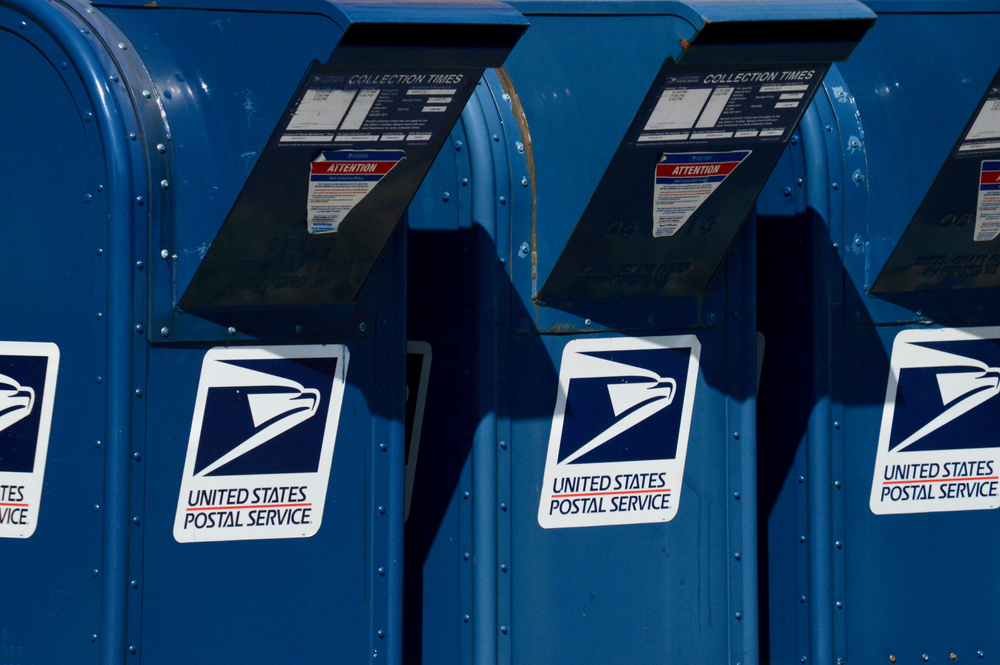

The U.S. Postal Service has proposed a temporary price increase for the 2026 holiday shipping season, adding another layer of cost pressure during the highest-volume period of the year.
Pending favorable review by the Postal Regulatory Commission, the peak-season pricing will take effect on October 4, 2026, and remain in place through January 17, 2027.
The increases are expected to average approximately 6% across the affected services. But the average does not tell shippers how much their costs will actually change.
The added cost on an individual shipment will depend on its service, weight, zone, rate category and other pricing terms. Across the published commercial schedule, the temporary increases range from $0.40 to $18.20 per package.
Which USPS services are affected?
The temporary increases apply to retail and commercial domestic shipments using:
- USPS Ground Advantage
- Priority Mail
- Priority Mail Express
- Parcel Select
USPS has not proposed peak-season increases for other products or services as part of this filing. Special Services and international competitive products are also excluded.
2026 USPS peak-season commercial price increases
USPS published specific per-package increases for commercial shipments based on service, zone and weight.
The figures below represent the temporary amount added during the holiday period, not the total postage price.
| Service and Zone | 0–3 lbs. | 4–10 lbs. | 11–25 lbs. | 26–70 lbs. and Oversized |
|---|---|---|---|---|
| Priority Mail and Ground Advantage, Zones 1–4 | $0.40 | $0.65 | $1.05 | $3.15 |
| Priority Mail, Zones 5–9 | $0.85 | $1.75 | $3.85 | $9.10 |
| Ground Advantage, Zones 5–9 | $0.55 | $1.05 | $1.75 | $7.70 |
| Priority Mail Express, Zones 1–4 | $1.40 | $2.10 | $4.90 | $12.55 |
| Priority Mail Express, Zones 5–9 | $2.35 | $5.55 | $10.50 | $18.20 |
| Parcel Select, All Entries | $0.40 | $0.50 | $0.80 | $2.35 |
Figures represent the temporary per-package increase for published commercial pricing, not the total postage price. Cubic shipments may be categorized by service, zone and cubic tier. Actual billed costs may vary based on negotiated agreements and other pricing terms. Source: U.S. Postal Service .
Commercial flat-rate products will also be affected:
- Priority Mail Large Flat Rate Box: $1.75 increase
- Other Priority Mail Flat Rate products: $0.85 increase
- Priority Mail Express Flat Rate Envelope: $2.35 increase
For applicable commercial cubic shipments, the increase is determined by the service, zone and cubic tier. USPS groups certain cubic tiers with the weight bands represented in its published schedule.
These figures reflect published commercial increases. A shipper’s actual billed impact may differ based on its package profile, negotiated agreement, consolidator relationship and other rate terms.
Why the 6% average does not tell the full story
A 6% average increase will not translate into a 6% cost change for every shipper. The published pricing shows why.
- Longer-zone shipments carry greater exposure. A 4-to-10-pound Priority Mail package moving within Zones 1–4 receives a $0.65 increase. A package in the same weight band moving to Zones 5–9 receives a $1.75 increase.
- Heavy packages face the largest dollar additions. Published commercial increases reach $7.70 for Ground Advantage, $9.10 for Priority Mail and $18.20 for Priority Mail Express in certain longer-zone, heavier-weight categories.
- Service mix matters. A network concentrated in Ground Advantage and Parcel Select will experience a different impact than one relying heavily on Priority Mail or Priority Mail Express.
- Small increases become significant at scale. An added $0.40 across 500,000 eligible packages represents $200,000 in incremental spend before considering larger increases elsewhere in the shipping profile.
A shipper’s true exposure can only be calculated by applying the increases to its actual package characteristics and shipping patterns.
The peak increase comes on top of an earlier 2026 adjustment
The holiday increase is not the only temporary USPS pricing action affecting package shippers this year.
USPS implemented a separate 8% transportation-related increase on April 26, 2026. That adjustment applies to the same four domestic package services and is also scheduled to remain in effect through January 17, 2027.
The Postal Service’s peak-season filing states that the holiday increases will be applied in addition to the transportation-related adjustment.
That overlap makes it important to compare projected holiday costs with the right baseline. A simple year-over-year percentage may obscure how much of the increase came from:
- The April transportation-related adjustment
- The October peak-season increase
- Changes in package volume
- Changes in service selection
- Shifts in weight or zone distribution
Understanding these individual cost drivers is critical for accurate forecasting and financial reporting.
What shippers should do before October 4
Shippers have a limited window to translate the published changes into a company-specific cost forecast. The most useful preparation will happen at the shipment level.
- Model the increase against actual package data. Apply the published increases to recent shipments by service, zone and weight band instead of adding 6% to total USPS spend.
- Separate rate pressure from operational change. Track price increases independently from changes in volume, service selection, zone distribution and package characteristics.
- Identify the shipments with the highest exposure. Pay particular attention to heavier packages, longer-zone movements and Priority Mail Express usage.
- Review service-selection rules. Determine whether packages are consistently using the most appropriate service based on cost, promised delivery and customer expectations.
- Update forecasts and budgets. Account for both the April transportation-related adjustment and the October holiday increase.
- Monitor invoice accuracy. Confirm that temporary pricing is applied only to eligible shipments and removed when the adjustment period ends.
- Measure the impact by customer or business unit. Determine whether the new costs affect product margins, customer profitability or cost-to-serve differently across the organization.
Turn the rate announcement into a precise cost forecast
The USPS pricing schedule provides the inputs, but it does not provide an individual shipper’s answer.
The financial impact depends on where packages travel, how much they weigh, which services are used and how those variables change during peak.
Intelligent Audit helps shippers normalize their transportation data, model cost changes and audit invoices at the shipment level. That visibility makes it possible to move beyond a carrier’s average increase and identify where the new rates will affect budgets, margins and operating decisions most.
With October 4 approaching, now is the time to establish the baseline, quantify the exposure and address avoidable costs before peak volume arrives.
Subscribe for more content!
Stay ahead of the curve in supply chain and logistics technology. Get practical insights on AI-driven automation, real-time visibility, and the tools reshaping how goods move—delivered straight to your inbox.