How Parcel Shippers Can Protect Margin Without Compromising Delivery

Surcharge and service changes, evolving business models, and incremental, off-schedule price increases from major carriers, paired with the more predictable peak-season fees and annual updates, are putting parcel budgets under immense pressure. The most useful response starts with understanding how pricing, shipping decisions, and the customer promise affect the cost of each order.
A carrier rate increase lands in the transportation budget. Its impact reaches much further: the profitability of a product, the cost of free shipping, the delivery options offered at checkout, and the flexibility available when demand changes.
Those connections matter as shippers work through peak season and prepare for 2027. A package may become more expensive because its rate changed, its destination moved into a different surcharge category, or the operation selected a service the order did not require. Each cause calls for a different response.
The opportunity is to connect those decisions so teams can see where costs are rising, what they can influence, and which changes will preserve the experience customers expect.
Build the budget around the packages you ship
FedEx’s announced 2027 average package list-rate increase is 5.9%, effective January 4. As Keegan's recent GRI analysis explains, the impact varies by service, weight, and zone. Delivery Area Surcharge classifications also change: 2,533 ZIP codes move from Extended to Remote, expanding the Remote ZIP-code count by more than 70%.
That can change a shipment’s economics even when the customer, product, carrier, service, and fulfillment location remain the same. Shippers should apply the announced changes to their own shipment history, including destination ZIP codes and negotiated terms, to estimate exposure.
The same discipline applies to peak season. Across FedEx, UPS, USPS, and Amazon Shipping, charges depend on package characteristics, timing, and service. Some UPS and FedEx fees also depend on qualifying shippers’ weekly volumes. A blended allowance can obscure the orders most exposed to higher costs.
Use the carrier-by-carrier peak-season breakdown to identify the rules that apply, then model where the expense will land. The useful output is a forecast that identifies the products, destinations, and shipment segments driving the increase.
Not sure where to start? We're here to help.
Investigate the decisions behind the invoice
Shipping costs also rise when the business changes. Our team's recent analysis of the mounting pressures on SMB shippers describes how replenishment delays can prompt expedited shipping, while shifts in demand or product mix can change volume discounts and package costs. These relationships matter wherever transportation decisions affect order margin.
When spending increases, separate changes in volume from changes in cost per shipment. Then examine service usage, package dimensions, and delivery locations. That helps teams identify whether the increase reflects a necessary response to demand or a shipping practice worth revisiting.
Audit and recovery belong alongside that analysis. An appropriate shipment can still carry an incorrect charge or missed credit, subject to the carrier’s terms. Recovering eligible overcharges addresses past spending; reviewing how orders move creates opportunities to avoid future expense.
Make delivery speed earn its place
Joe Wilkinson’s article on building a customer-forward parcel network makes a practical case for matching speed to customer need. Shorter commitments can narrow fulfillment and carrier options, leading to upgrades and more expensive recovery decisions.
Review the promise made at checkout alongside actual transit performance. Where can an economical service reliably meet that date? Where does a faster option provide value customers need and will pay for? Inventory placement, processing time, and pickup schedules all influence the answer.
Delivery performance should be measured against the date communicated to the customer. Track results by lane, service, and origin so a strong network average does not conceal a recurring problem. This gives teams a basis for adjusting routing and promises without treating every order as equally urgent.
Give every carrier a defined role
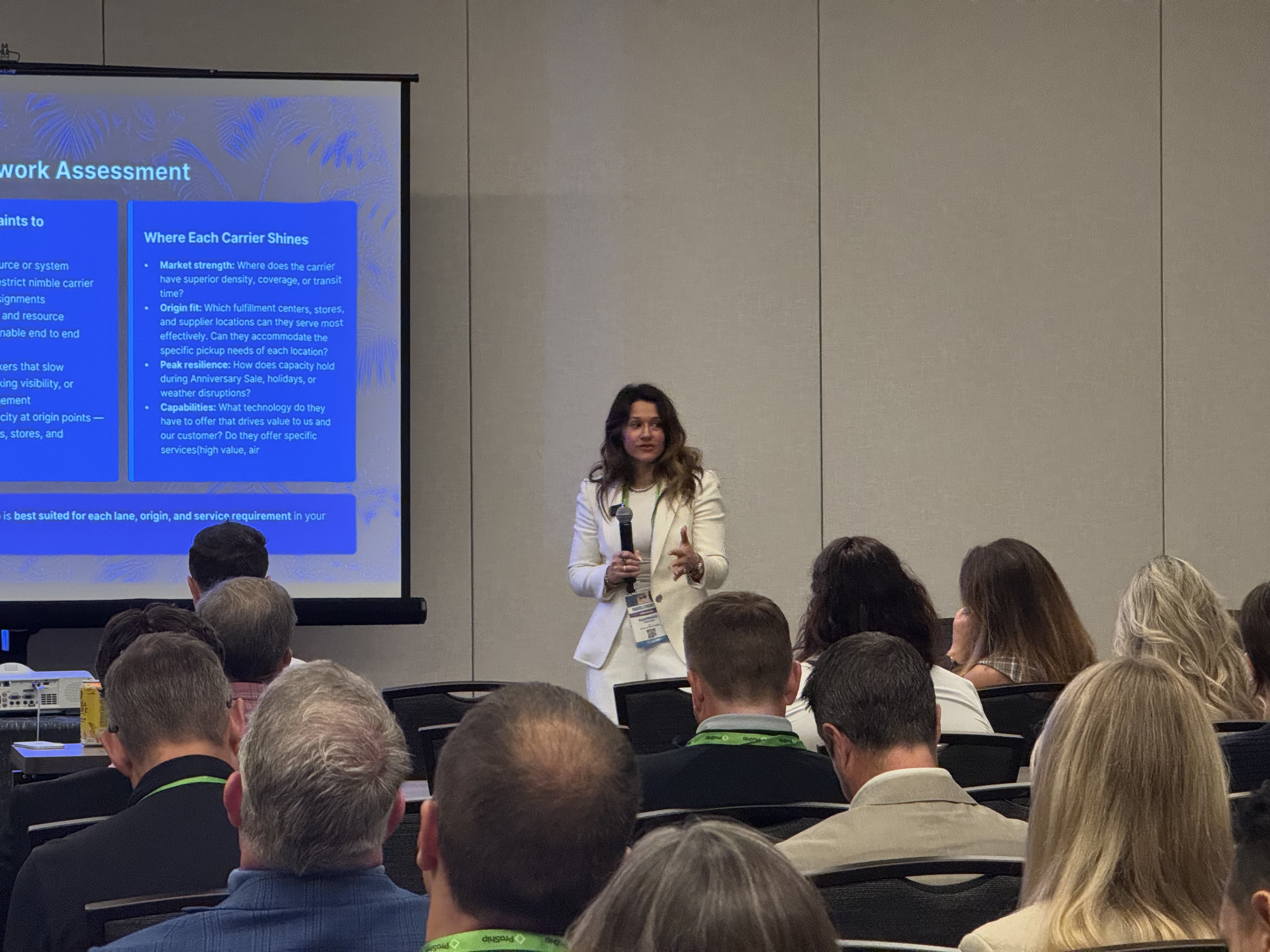
At Parcel Forum earlier this year, Nordstrom’s transportation and sourcing leaders described a network built around customer and business requirements. National carriers provide broad coverage; regional partners complement them where specific markets call for additional capacity, service, or flexibility.
Before adding a provider, define the problem it must solve. That may be a geographic gap, a capacity constraint, or an opportunity to improve cost while meeting delivery requirements. Evaluate whether the fulfillment location can support the pickup, sortation, and technology requirements involved.
Nordstrom also emphasized alignment between operations and procurement before negotiations begin. Shared priorities help teams distinguish essential capabilities from preferences and assess pricing against the service the business needs. Documenting those requirements gives other affected teams a chance to identify constraints before implementation.
Bring shipment evidence into the negotiation
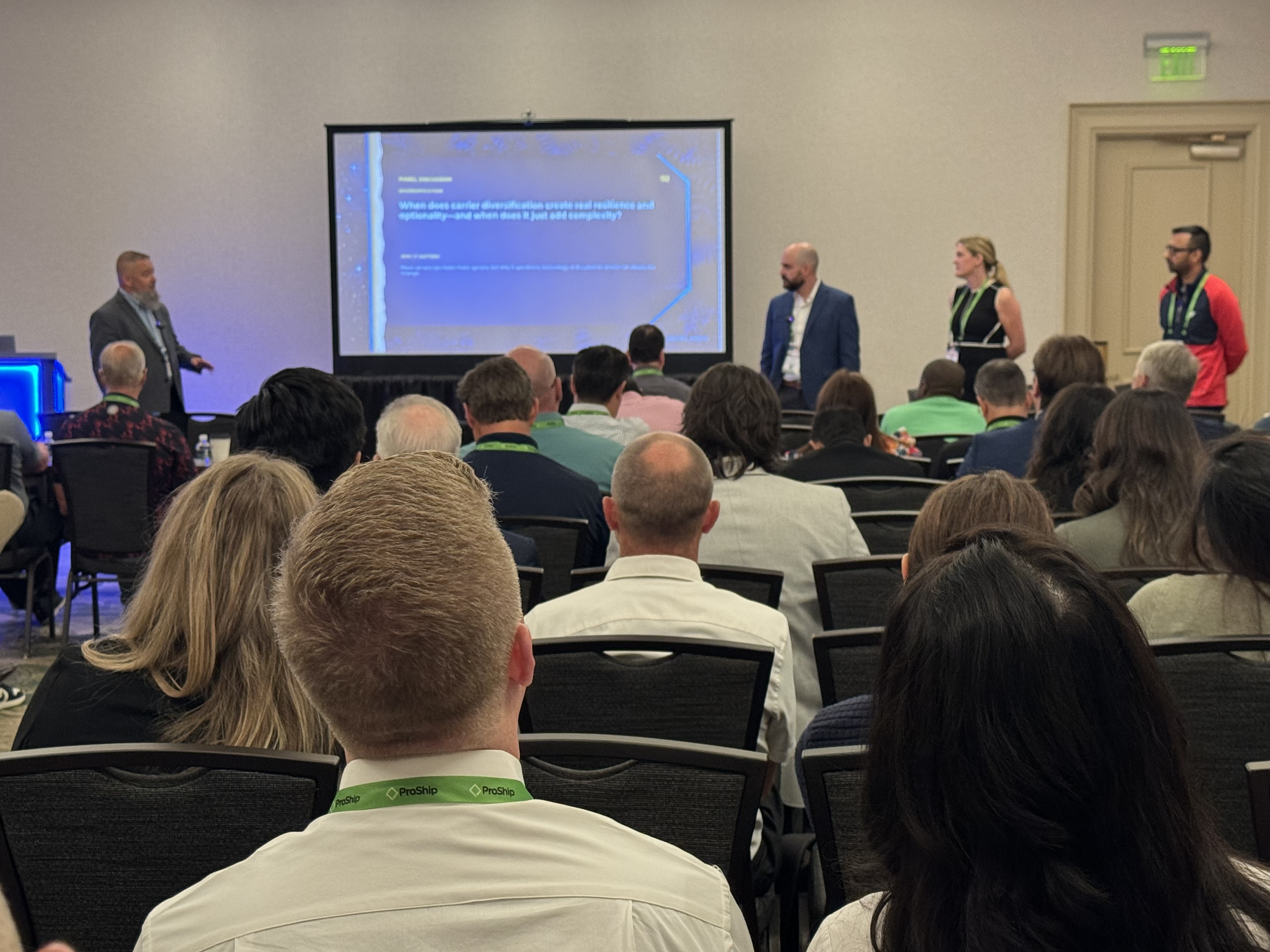
The Parcel Forum discussion featuring EssilorLuxottica, Backcountry, Fanatics, and Joe Wilkinson reinforced the value of understanding which shipment segments each carrier wants to serve. That knowledge helps shippers build proposals around volume and capabilities that matter to both parties.
Bring evidence of the costs and service issues that need attention. Identify the lanes where performance is inconsistent, the package characteristics driving added fees, and the operational flexibility the business needs over the agreement’s life. Specific requirements give the negotiation a clear purpose.
Reliable data is essential to this work. Inconsistent tracking events can distort performance comparisons and trigger unnecessary replacements. AI can help teams analyze agreements and investigate patterns, but its usefulness depends on trustworthy inputs and a clear understanding of the business outcome.
Turn the analysis into a parcel action plan
Start with the shipment segments facing the greatest pressure. Estimate their exposure to announced pricing changes, review the services being used, and identify where carrier or fulfillment alternatives merit testing. Assign an owner to each decision and measure the result against both cost and delivery performance.
This creates a useful connection between budgeting and execution. Finance can understand the assumptions behind the forecast. Transportation can explain which changes are feasible. Customer-facing teams can make delivery commitments the network can support.
Intelligent Audit helps shippers connect shipping data, evaluate carrier agreements, and model cost and service scenarios. Talk with our team about where pricing changes are creating exposure in your parcel network, and which opportunities deserve a closer look.
Subscribe for more content!
Stay ahead of the curve in supply chain and logistics technology. Get practical insights on AI-driven automation, real-time visibility, and the tools reshaping how goods move—delivered straight to your inbox.